


Table of Contents
Product design often begins with a static form. But truly engaging objects evolve — they respond, adapt, and invite interaction. The parametric growth engine inside Relics Forge introduces a fundamentally different approach: instead of manually modeling every branch, node, or variation, designers define growth logic, and geometry emerges naturally.
This case study presents a metal 3D-printed desk object generated using the parametric growth engine — a memo tree that transforms from a sculptural object into a living system when populated with notes.

What Is the Parametric Growth Engine?
The parametric growth engine is a procedural system that generates branching geometry based on adjustable structural parameters. Instead of modeling individual branches manually, designers control:
- branching frequency
- angular deviation
- structural density
- hierarchical depth
- curvature continuity
- growth direction bias
This allows complex organic structures to emerge from simple inputs — fully controllable, editable, and fabrication-ready.
Unlike traditional sculpting workflows, the parametric growth engine produces clean, continuous geometry suitable for metal 3D printing, CNC fabrication, or casting.
From Algorithm to Object: A Metal Desk Memo Tree
The object shown here is a desk-scale memo holder fabricated using metal additive manufacturing. Its geometry was entirely generated using the parametric growth engine.
At rest, the object exists as a complete sculptural form — balanced, intricate, and visually engaging.

Each branch terminates with a precise slot dimensioned to hold standard memo notes. The slots are integrated directly into the growth logic, ensuring structural continuity rather than post-processing additions.
This means fabrication constraints and functional requirements are embedded from the beginning.
Activation Through Interaction: Growth Becomes Visible
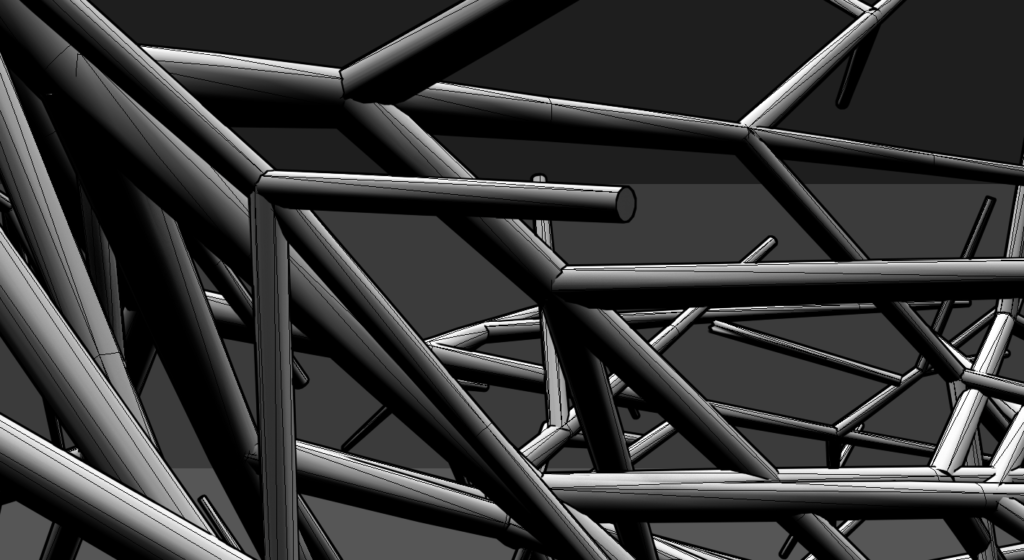
When memo notes are inserted, the object visually transforms.
The structure begins to “leaf.”
The parametric growth engine creates a geometry that supports both states:
- as a minimal sculptural object
- and as an interactive functional system
This dual identity is critical in contemporary product design, where objects must operate both aesthetically and functionally.
The geometry is not decorative — it is performative.
Why Parametric Growth Is Ideal for Product Designers
The parametric growth engine enables workflows that would otherwise require hours or days of manual modeling.
1. Generate Complex Geometry Instantly
Instead of manually building branching structures, designers define growth rules and instantly produce complex results.
2. Maintain Full Structural Control
Every aspect of the growth remains adjustable:
- density
- thickness
- branch angle
- hierarchy depth
3. Design Directly for Fabrication
The generated geometry is fabrication-ready. There is no need for reconstruction or cleanup before export.
4. Create Product Families Efficiently
Small parameter changes produce entirely new product variations, enabling rapid exploration of design directions.
5. Achieve Organic Aesthetic Without Sculpting
Designers achieve natural structural complexity without sculptural workflows.
6. Integrate Function into Structure
Slots, supports, and interfaces can be embedded directly into the growth logic.
7. Maintain Iteration Speed
Design iterations occur in seconds, not hours.
This fundamentally changes the speed and scale of product design exploration.
Designed for Metal 3D Printing and Advanced Fabrication
The parametric growth engine produces continuous structural geometry suitable for:
- metal additive manufacturing
- resin printing
- CNC machining
- casting workflows
Because geometry is mathematically defined rather than sculpted manually, structural continuity is preserved throughout the model.
This reduces fabrication risk and improves reliability.
From Static Modeling to Living Systems
Traditional modeling produces fixed objects.
The parametric growth engine produces systems capable of variation, adaptation, and evolution.
Designers are no longer shaping geometry directly — they are defining how geometry grows.
This shift enables entirely new product categories, from functional desk objects to lighting systems, architectural components, and structural frameworks.
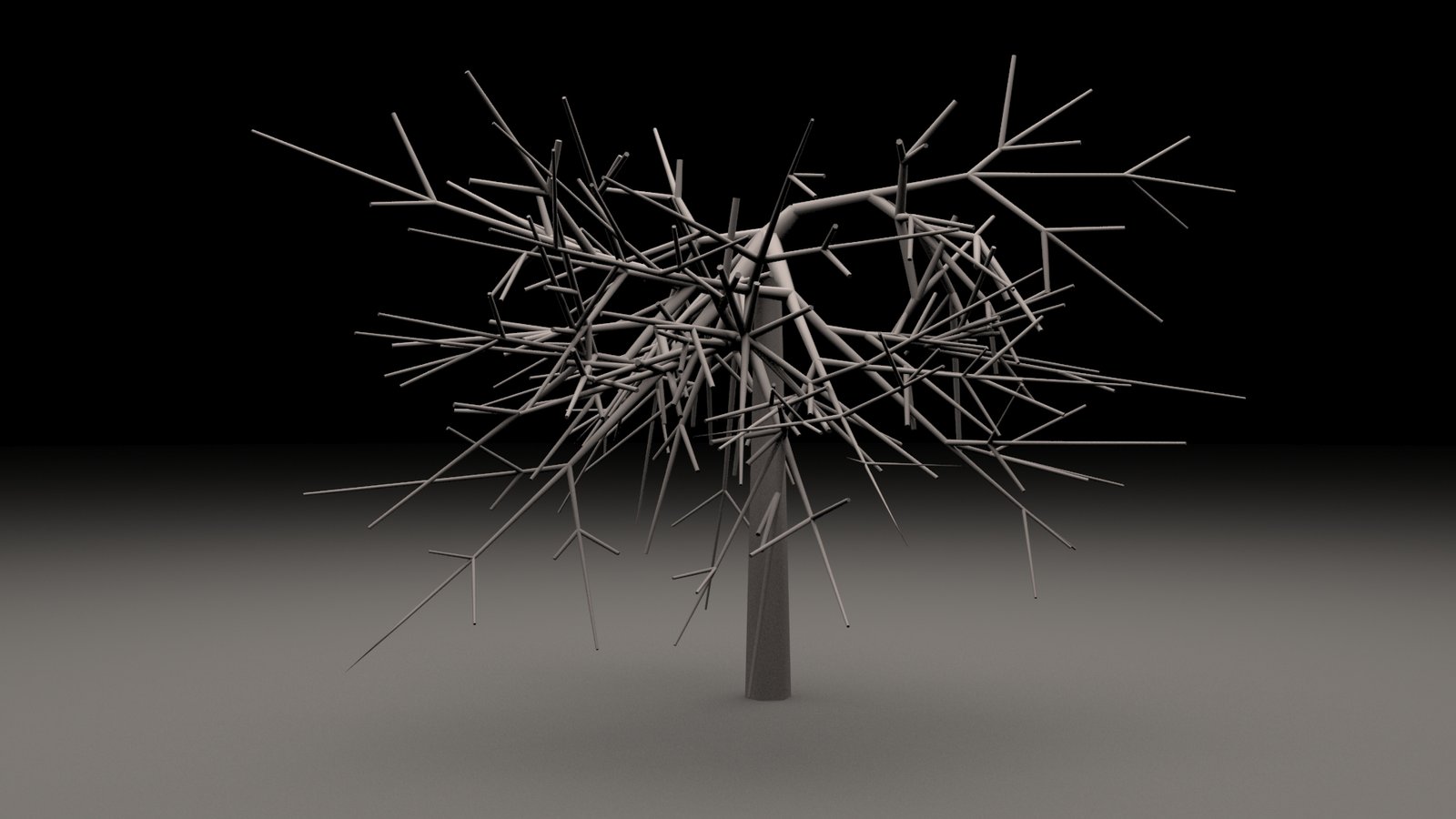
Growth Engine Workflow Inside Relics Forge
The memo tree object was generated in seconds using Relics Forge.
Designers can adjust growth parameters interactively and immediately see structural changes reflected in real time.
This allows intuitive exploration without technical barriers.
Conclusion: From Object to System
The parametric growth engine transforms product design from manual modeling into controlled emergence.
The memo tree demonstrates how functional objects can evolve from simple growth logic into fabrication-ready products.
What once required complex sculpting workflows can now be achieved in seconds.
Relics Forge allows designers to move from static geometry to dynamic structural systems — unlocking entirely new creative and fabrication possibilities.

Start Designing with the Parametric Growth Engine
Relics Forge enables designers to generate fabrication-ready parametric structures instantly.
Create product designs faster.
Explore more variations.
Design systems, not just objects.
Start using the parametric growth engine today. try our demo
Leave a Reply