

Table of Contents
What is a Parametric Laser Cut Facade
A parametric laser cut facade is an architectural system where geometric patterns are generated algorithmically and fabricated using CNC or industrial laser cutting technologies.
Unlike traditional facade drafting workflows, a parametric laser cut facade is generated through rule-based geometry systems. Designers adjust parameters such as density, scale and structural spacing, allowing the facade to adapt to environmental and visual requirements.
Parametric laser cut facades are widely used in contemporary architecture because they combine environmental performance with visual expression. The geometry can function simultaneously as shading, ventilation and architectural identity.
In this case study, the Relics Forge P6M engine was used to generate a large-scale parametric laser cut facade for a university library.
Parametric Laser Cut Facade Generation from Image Data
The parametric laser cut facade design began with a raster image containing portraits of Nobel Prize laureates arranged in a grid.
Using Relics Forge P6M, luminance values from the image were translated into a continuous geometric density field.
The algorithm works as follows:
• darker image regions produce denser geometry
• brighter areas remain more open
This density modulation allows recognizable portraits to appear across architectural scale without explicit outlines.
The result is a parametric laser cut facade system where image data becomes structural geometry.
Instead of manually tracing shapes, the geometry emerges directly from algorithmic rules.
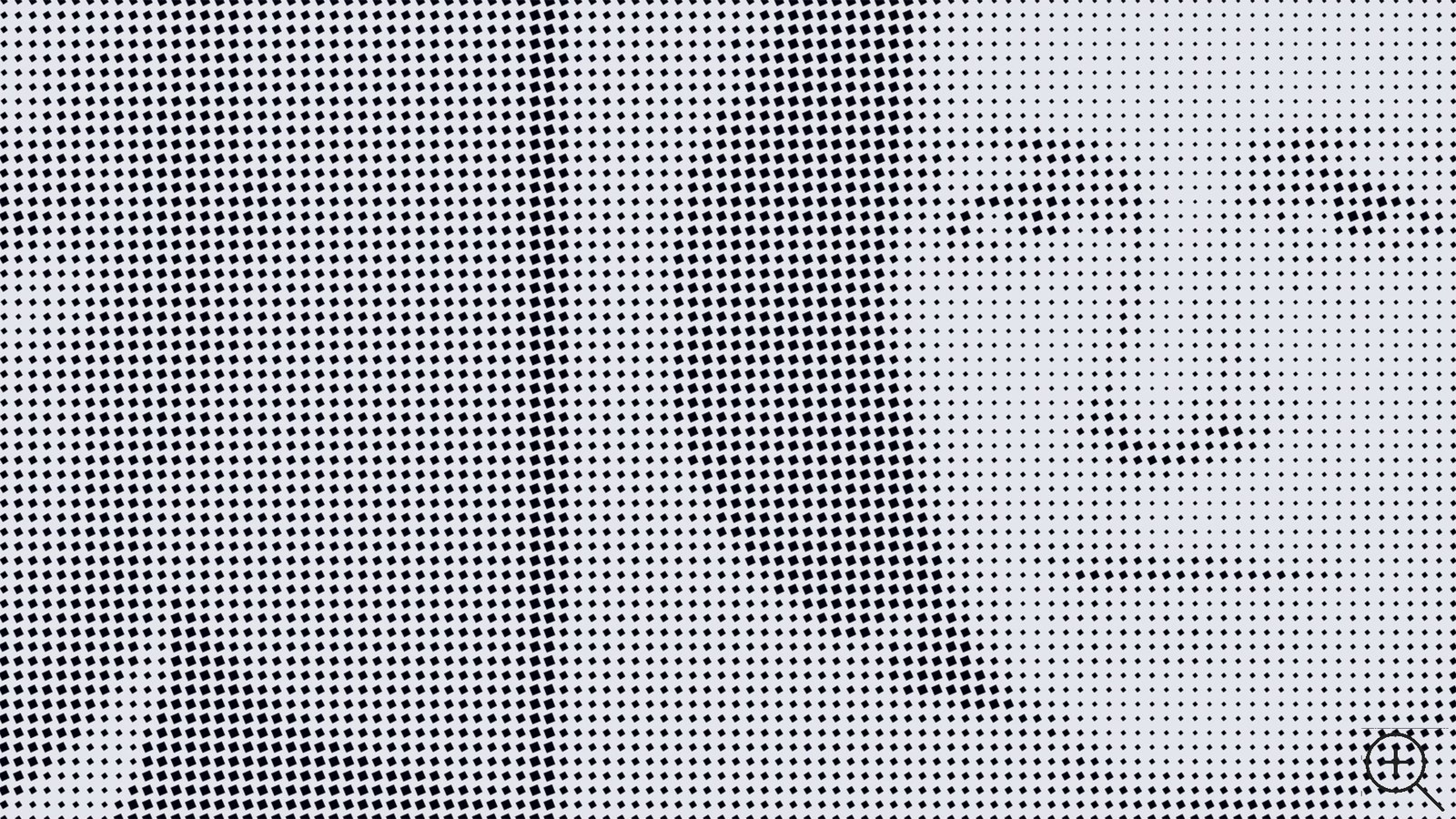
parametric laser cut facade SVG detail generated by Relics Forge P6M
Parametric Laser Cut Facade Performance as a Shading System
The 12-meter aluminum parametric laser cut facade functions as a solar shading screen for a curtain wall facade.
The geometry had to balance several performance requirements:
• reduce solar heat gain
• maintain outward visibility
• allow controlled daylight penetration
• preserve portrait readability
The parametric model enabled real-time adjustment of density and openness ratios.
This allowed the facade to function both as a solar shading system and a visual storytelling surface.

parametric laser cut facade portrait visibility at architectural scale
Scalable SVG Output for Industrial Laser Cutting
The system was exported as a fabrication-ready SVG file. Unlike raster-based workflows, vector geometry maintains perfect precision at any scale.
This allowed the same file to function across multiple production contexts:
- Prototype mockups
- Fabrication drawings
- Full-scale aluminum cutting
- Architectural visualization
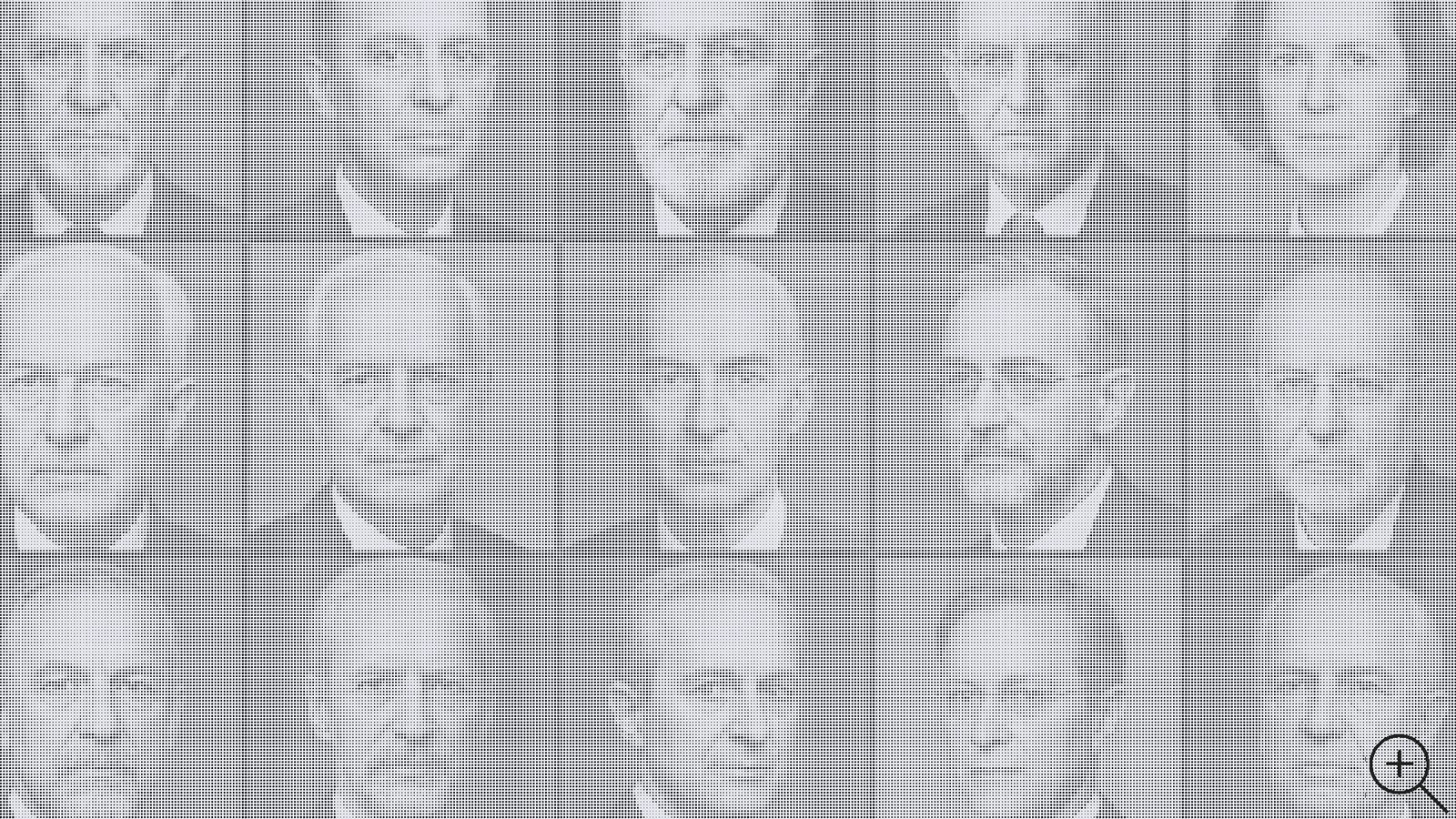
full architectural parametric laser cut facade generated from portraits
Physical Mockup Validation of the Parametric Laser Cut Facade
Before committing to final aluminum fabrication, physical mockups were produced using laser-cut prototypes in affordable materials. This stage was critical for validating real-world performance.
The mockups allowed evaluation of:
- Portrait recognition clarity
- Visual transparency from interior viewpoints
- Daylight diffusion quality
- Structural stability of fine geometric features
This validation ensured that the parametric model performs successfully under real architectural conditions.
Relics Forge Workflow and Interface
Relics Forge enables direct translation from image input to fabrication-ready geometry. The parametric engines generate fully continuous vector systems without manual tracing.
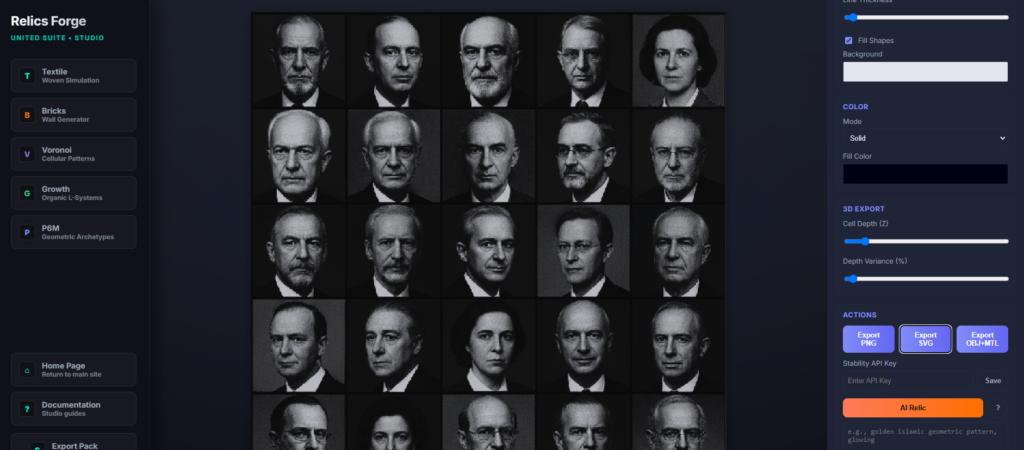
parametric laser cut facade generation interface in Relics Forge
Geometry Control and Fabrication Parameters
Inside the P6M engine designers can control several parameters that define the final geometry of the facade system.
Key adjustable controls include:
• geometric density
• tile size and spacing
• pattern scale
• image-driven modulation
These parameters allow the designer to quickly generate variations while maintaining a coherent structural logic.
Because the geometry is generated as continuous vector paths, the resulting patterns can be transferred directly into CNC and laser cutting workflows without additional drafting.
Architectural and CNC Fabrication Applications
The generated screen system can be adapted to a wide range of architectural and fabrication contexts.
Typical applications include:
• university and institutional buildings
• museums and cultural architecture
• memorial or tribute installations
• solar shading screens
• CNC-fabricated architectural panels
Since the geometry is vector-based, the same pattern system can be fabricated using many industrial materials.
Common fabrication materials include:
• aluminum sheets
• stainless steel
• corten steel
• plywood panels
• acrylic sheets
This adaptability makes generative facade geometry particularly attractive for CNC workshops, facade contractors and architectural fabrication studios.
How the Screen Geometry Was Generated in Minutes
The workflow inside the P6M engine is intentionally simple.
Open P6M.
Set Pattern Type → Elaborate Polygon.
Adjust the grid scale and refine the base polygon.
Enable Tile Size by Image and upload the portrait composite.
Press Generate.
At this stage the image begins to control the geometry.
Dark regions create denser structures, while lighter areas open the pattern.
The portraits remain readable while the surface stays fully vector-based.
Export the geometry as SVG.
The resulting file can be used for everything from small prototype tests to full-scale architectural panels produced with CNC routers or industrial laser cutters.
Conclusion
This case study demonstrates how visual data can be transformed into fabrication-ready architectural geometry using generative design tools.
Relics Forge allows designers to move from concept to CNC production with minimal manual drafting.
The P6M engine converts image information into scalable vector systems suitable for architectural screens and shading panels.
Explore the full workflow in the Relics Forge demo:
FAQ
What is a parametric facade screen?
A parametric facade screen is a geometric surface generated through adjustable parameters and fabricated using CNC or laser cutting technologies.
Why use generative systems for facade panels?
Generative workflows allow designers to test many pattern variations quickly while maintaining fabrication accuracy.
Which file formats are suitable for CNC fabrication?
Vector formats such as SVG, DXF and AI are commonly used for CNC and laser cutting workflows.
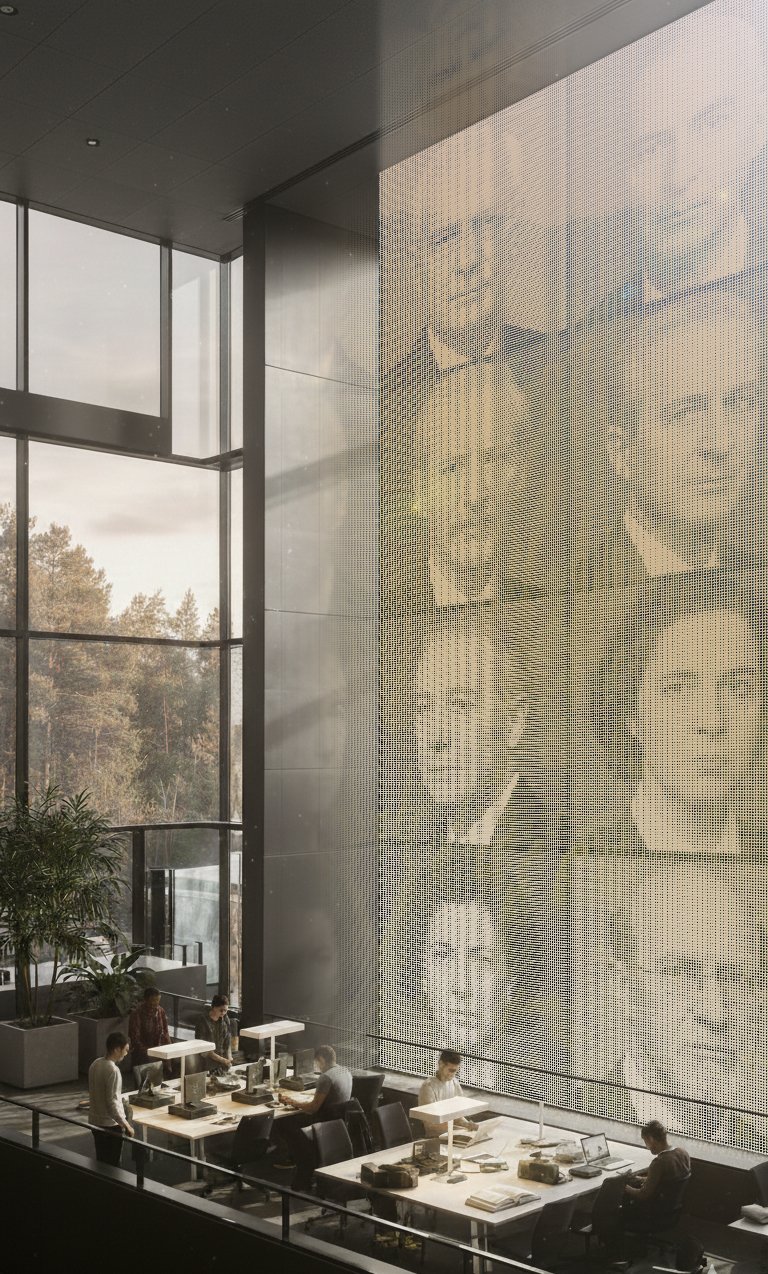
completed parametric laser cut facade Nobel Prize architectural installation
Relics Forge allows designers and architects to move directly from concept to fabrication with precision and confidence.
Start generating fabrication-ready parametric systems with Relics Forge today.
For further reading about metal laser cutting: https://www.tbkmetalksa.com/products/laser-cut-metal-facade-panels/

Leave a Reply